2 Days in Taiwan: The Perfect Weekend Itinerary
I did Taiwan as part of my trip through South East Asia, passing by Malaysia, Singapore, and Indonesia. This was my second time in Taipei and my friend had also been here before, so we were not looking forward to visit the classic touristic attractions again. If this is your first time visiting Taiwan, check out my article Itinerary for a week in Taiwan. However, if you want to explore additional areas after your visit of Taipei, check out this guide!
Affiliate links
This page contains affiliate links. If you click through and make a purchase, I may earn a small commission — at no extra cost to you. Thank you for supporting the site!
Itinerary
Day 1 – Visit to small towns around Taipei: Yehliu Park, Shifen, and Jiufen
I usually don’t like doing this, but honestly here is one of the places where I make an exception: we took a tour. We didn’t want to bother with renting a car, and public transport is just… complicated and much slower. Thus, taking the tour was the easiest option. The tours in Chinese and Japanese were more complete than the ones in English, so we took one in Japanese (my friend speaks Japanese). If you’re clueless, like me, just make sure to understand what time you need to be back and where the meeting point is, there’s really not that much more you need to understand.
If you like driving, getting a car will give you much more flexibility and you’ll be able to stay at the different locations the time you feel necessary. In the tour we took, for instance, I felt a bit rushed in Yehliu and Shifen, but had too much time for lunch. It’s the trade-off organized tours have.
Yehliu Geopark
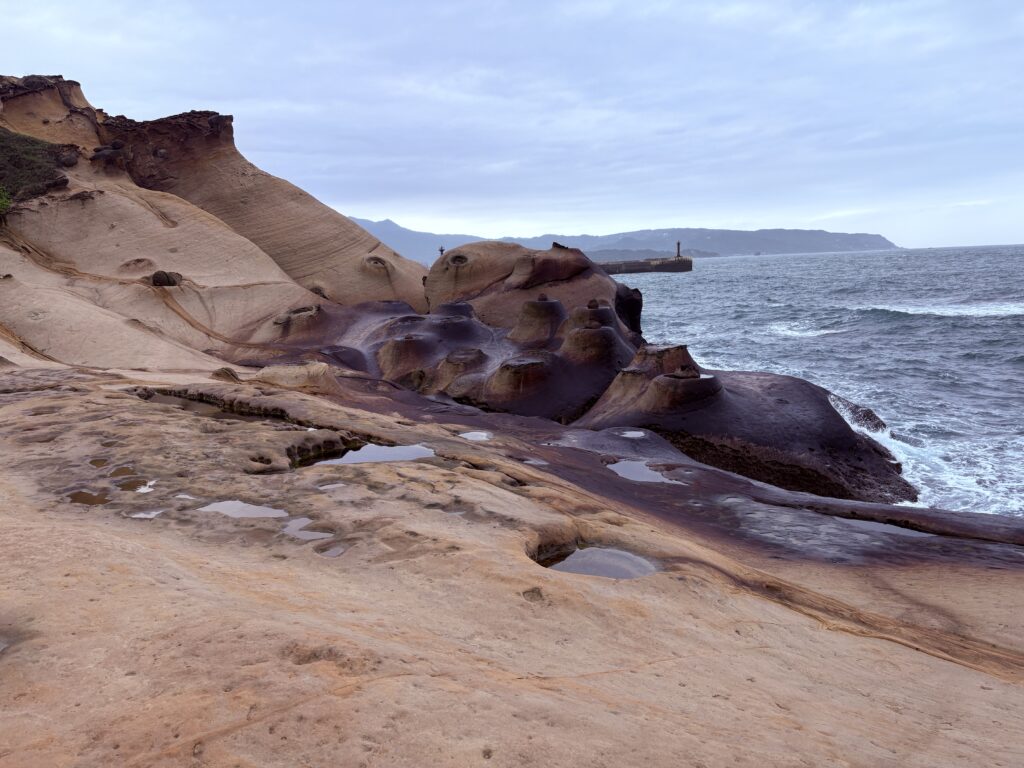
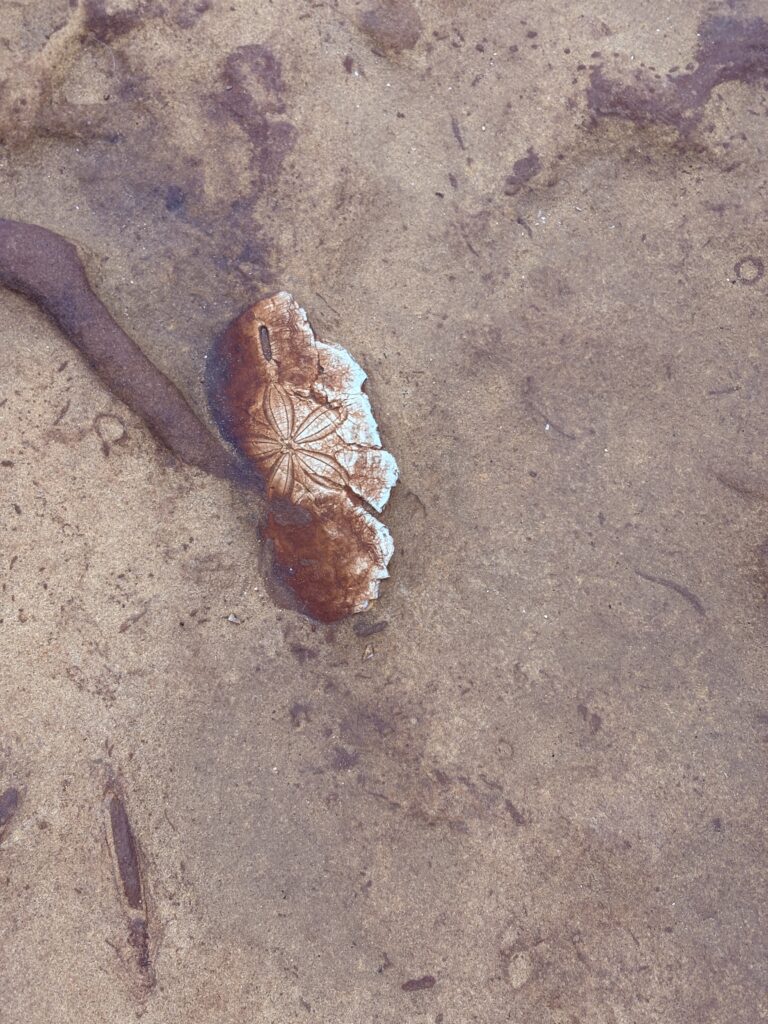
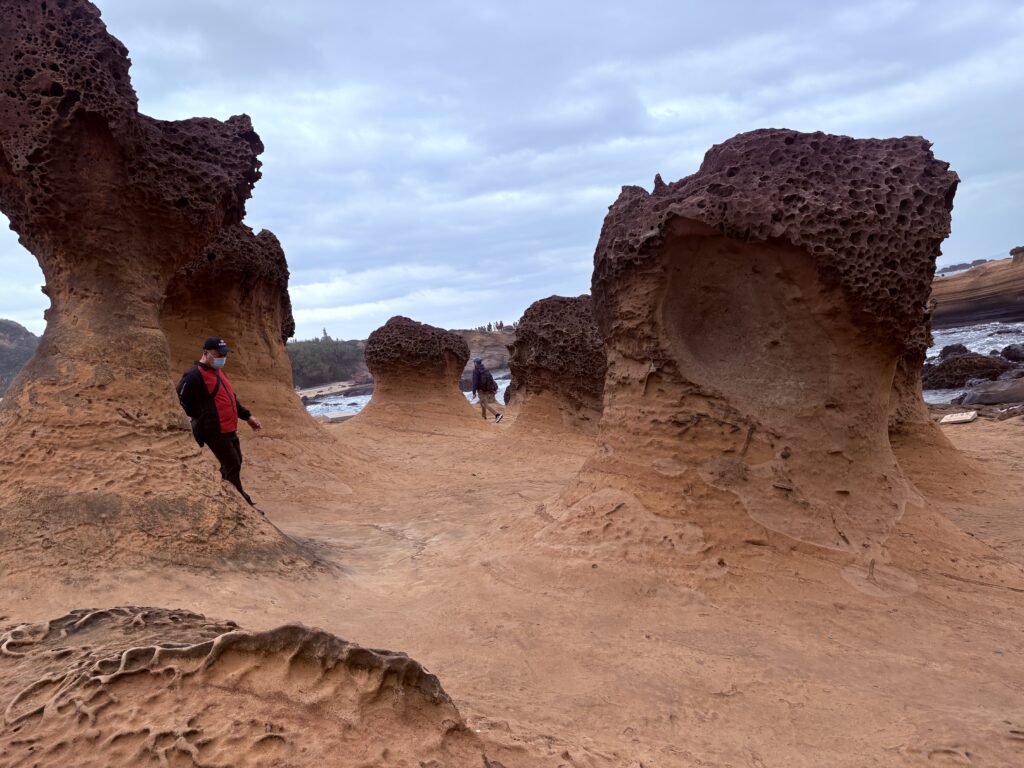
For me, that’s one of the highlights of Taiwan. You can enter the park for NT$120 and will then see these curious structures next to the sea. Some of them have a name, and are surrounded by many people. The Queen’s Head has a whole line to take a photo with it! Most likely it will break down in the next years or decades, as the neck of the queen has been quickly eroding.
You can get a small map at the entrace, which shows all the “must-see” spots. The area closer to the park is the most crowded, but you can also walk towards the lighthouse. It’s a popular and crowded place, so you’ll never be alone, but nonetheless, I think it’s worth seeing.
Send your lantern to the sky in Shifen
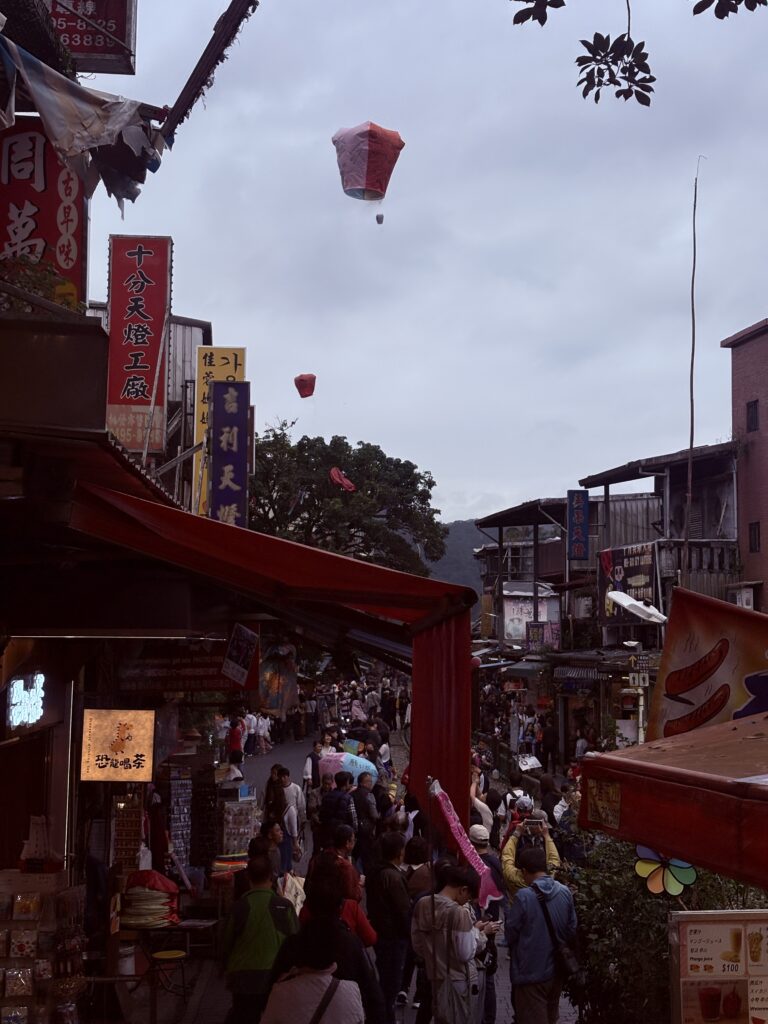
The first image of Shifen is curious – you see all the lanterns that were sent to the sky, that now crashed into the mountain. You’ll likely see quite small dots flying in the sky too – a few lanters that are still flying away. That’s the main activity here. You can buy yourself a lantern, choose the colors depending on which are your wishes, and then use a brush to be more precise by writing them on the lantern. Definetly, using Chinese or Japanese characters looks prettier, as you can write vertically and fill up the space. Once you’ve finished wishing, the store employees will pick you and the lantern up and help you sending it to the sky.
All the lantern stores are surrounding a train track. Last time while I did the lantern thing, there was a train passing, so we had to get out of the way, but this time there was none. Not sure if it was just timing or if they removed those trains due to safety concerns. In addition to the lantern activity, you can find plenty of lantern-looking souvenirs and different types of street food. Pineapple cakes are also very popular here.
Are the lanterns eco-friendly? Well, sending trash into the sky is most likely not. The materials themselves seemed eco-friendly enough (mostly paper and wood). Based on the amount of fallen lanterns on the mountain, I’m going to guess that they do remove them from time to time, as there were not that many. Ignorance is bliss, and I didn’t ask about waste management, but I’m hoping that they do clean them up periodically.
Shifen Waterfall
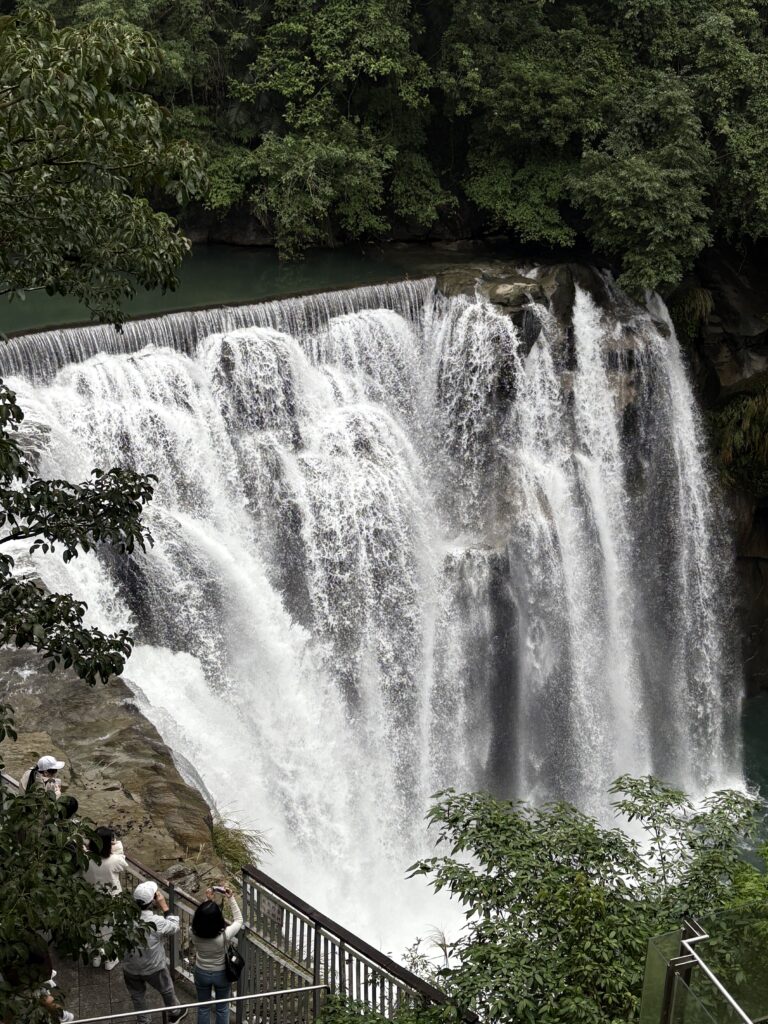
Located less than 5 min away by car, the Shifen Waterfall is a relaxing stop. Once you park, you need to cross a bridge (that shakes), and after that you’ll reach an area with many stores and restaurants. Towards the end of this street, you’ll see the waterfall. It’s quite big, anad there’s three viewing platforms, one on top of the other, to see it. The bottom one was the best view in my opinion.
Zhengbin Port Color Houses
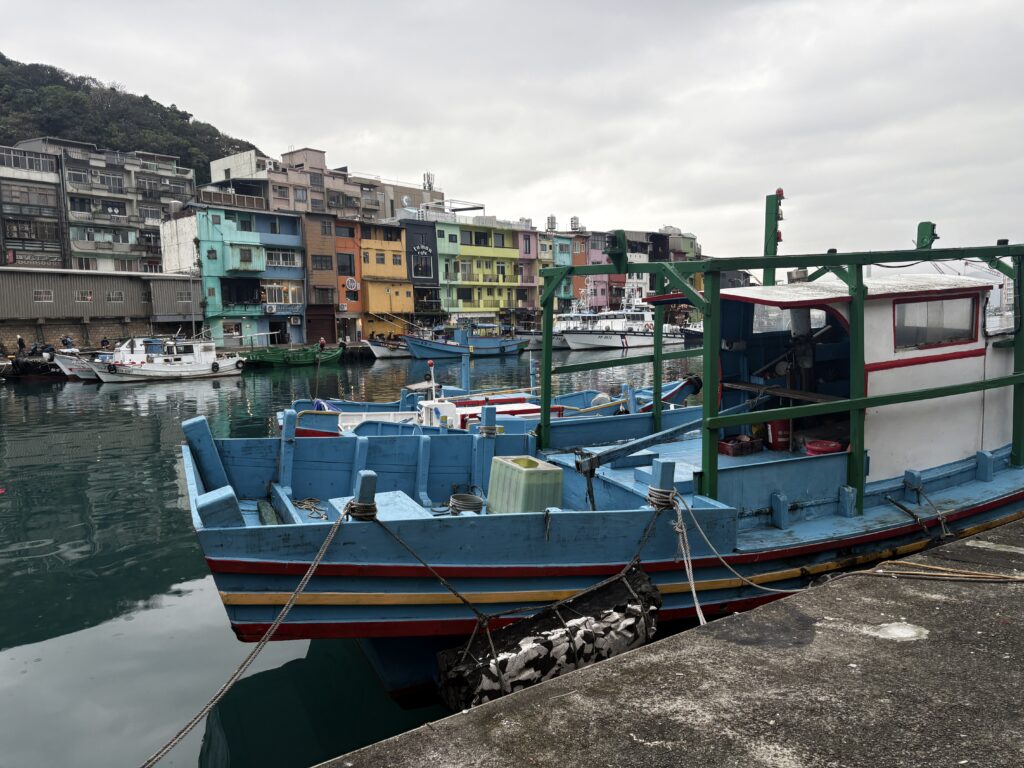
This is a short stop to see a few painted houses. I wouldn’t say it’s a must, as it’s a very small area and once you’ve snapped the photo, that’s all there is to do. In addition to the houses, on the opposite side (from where you’re looking at the houses), there’s an abandoned building a few meters away from the port. Only the structure of the big building remains, which if I understood correctly was due to an earthquake.
Jiufen
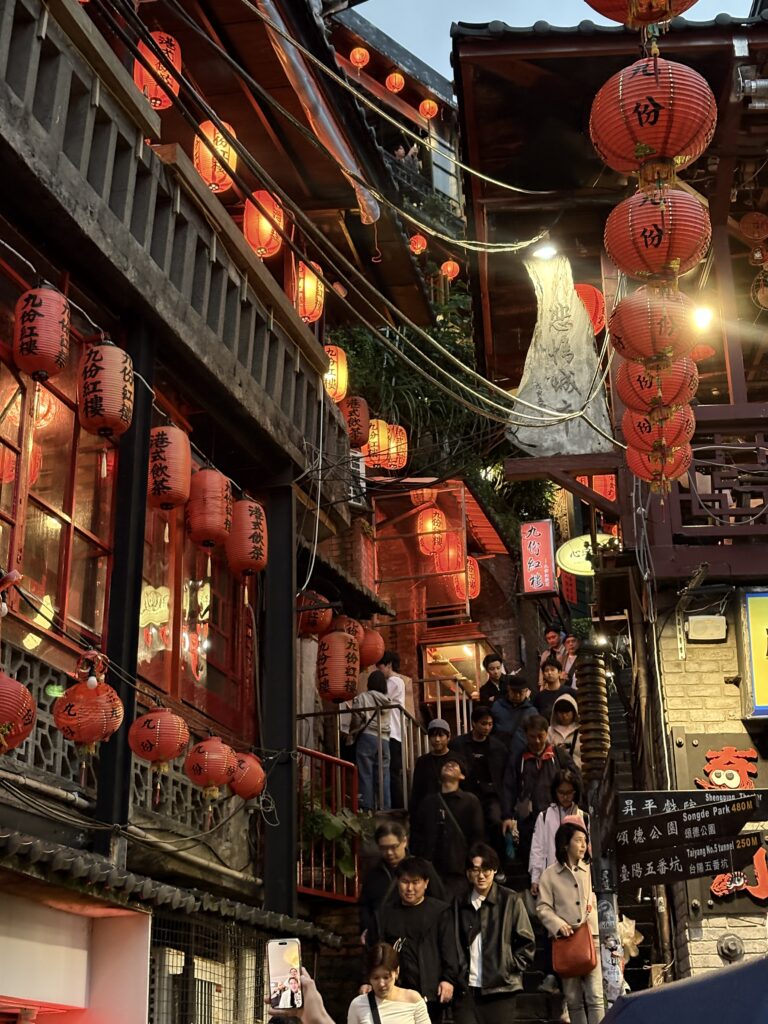
Jiufen at night is a beautiful sight. It’s also a crowded sight, and it’s the closest to a crowd crash I’ve ever been to. Jiufen is a small town, with many stairs – 415 steps to the Old Street from the parking lot, it was written. These stairs will bring you through traditional houses with many red lights, and it’s a cool moment when it gets dark enough for them to light up. The Old Street has, as always, plenty of souvenir shops and restaurants (cash only).
Is it a nice place? Yes. However, it really needs better tools for crowd control. It was uncomfortably crowded, which was perhaps not such a big issue on the streets, where you still could sneak in a store to rest for a bit, but it felt really dangerous on the stairs. One misstep by someone could have created a very dangerous situation for all. Because it was so crowded, we also didn’t get to check any of the places we wanted to (like the theater). We did go on a Saturday, so maybe going during the week is better, but this was already out of season (November), so I don’t want to imagine how this is in summer. As much as it sucks, I think they should limit the number of people who can come there per day.
Day 2 – Beitou and Tamsui
Beitou
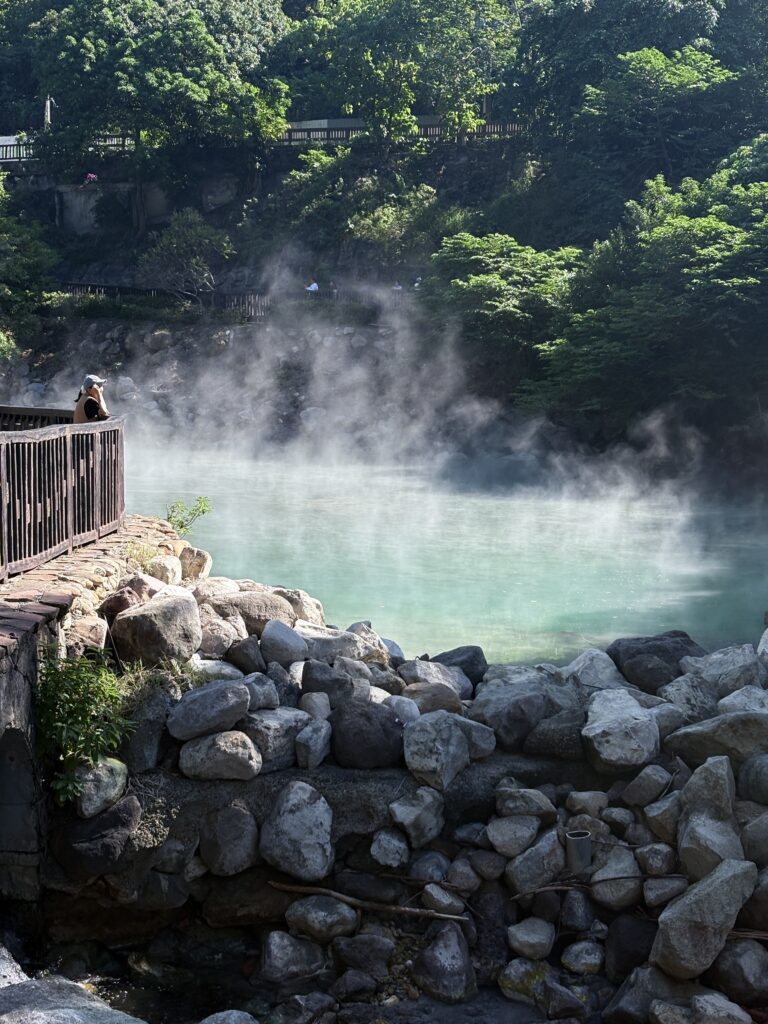
While Beitou is still part of Taipei, it’s not one of the first areas that you’ll visit. However, Beitou is a great destination if you like hot springs. The baths started to be popular in Taiwan after the Japanese started to develop them in the 1890s.
You can arrive here by taking the Tamsui-Xinyi Line (red) line to Beitou and walk towards the hot springs. The whole area of the hot springs is quite small. There’s a nice little park on your way, a cultural center, the Beitou Hot Spring Museum, a Plum Garden, and the Thermal Valley, a small hot spring at high temperature. If you like, you can find a place to have a bath as well. On your way back to the station, don’t forget to check out the old Xinbeitou station, a wooden building from 1916.
Tamsui
Once we got tired of Beitou, we took the red line again to Tamsui, a seaside district. The main activity in Tamsui is to visit the Tamsui Old Street, filled with bars, restaurants, and stores. I won’t say I was particularly impressed with the stores, as they all had the same kind of souvenirs. There also doens’t seem to be any one “old street”, with the limits of it being pretty diffuse. Anyhow, it’s nice to walk around. There’s also the Riverside walk, where you can see the sea, ferries going to the other side, and again some commerce. There are some additional historical buildings, but my friend and I are not such fans of history to want to visit less famous historical sites, so we skipped and just chilled at a caffee for a while.
Personally, I liked Beitou more, I found it more charming. Tamsui will be very interesting for those who’re interested in the history of the place, but otherwise I didn’t see anything particularly exciting about it.
Visit one of the many cat cafés
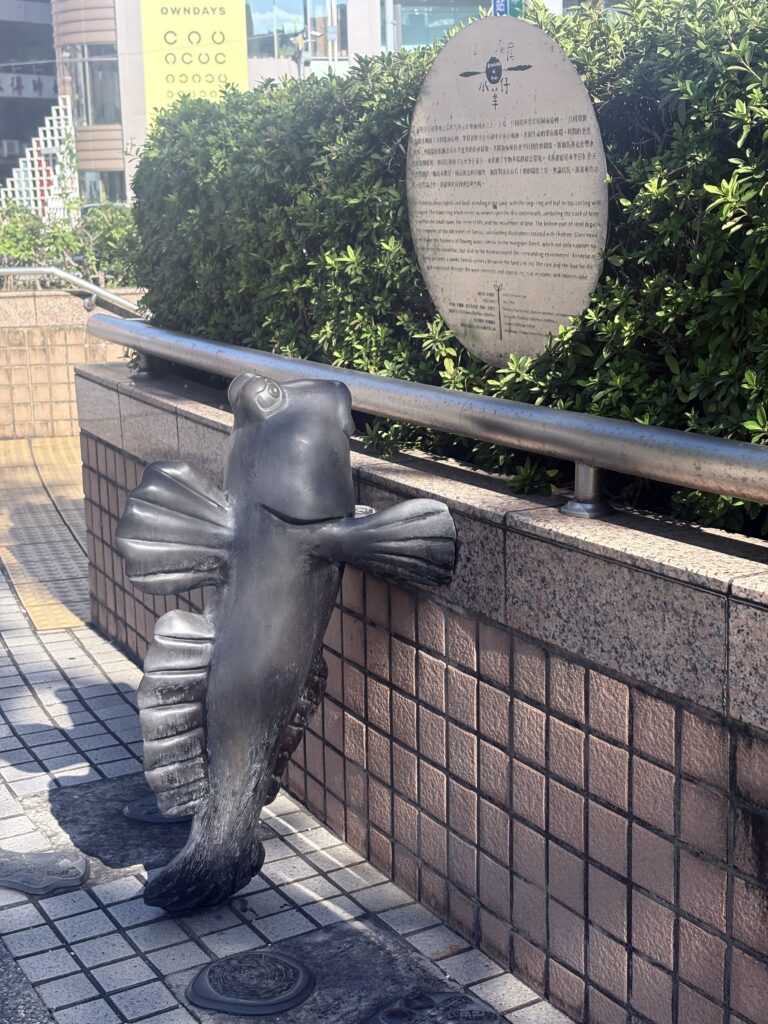
Since both my friend and I had visited the keys touristy things in Taipei, once we went back to our hotel neighbourhood in Ximen, we found a cat café to visit. We paid for 20 min and enjoyed the company of some very cute cats. Cat cafés are really popular here, and it took us a while to find one that allowed us to enter, as all were full.

Some dinner…
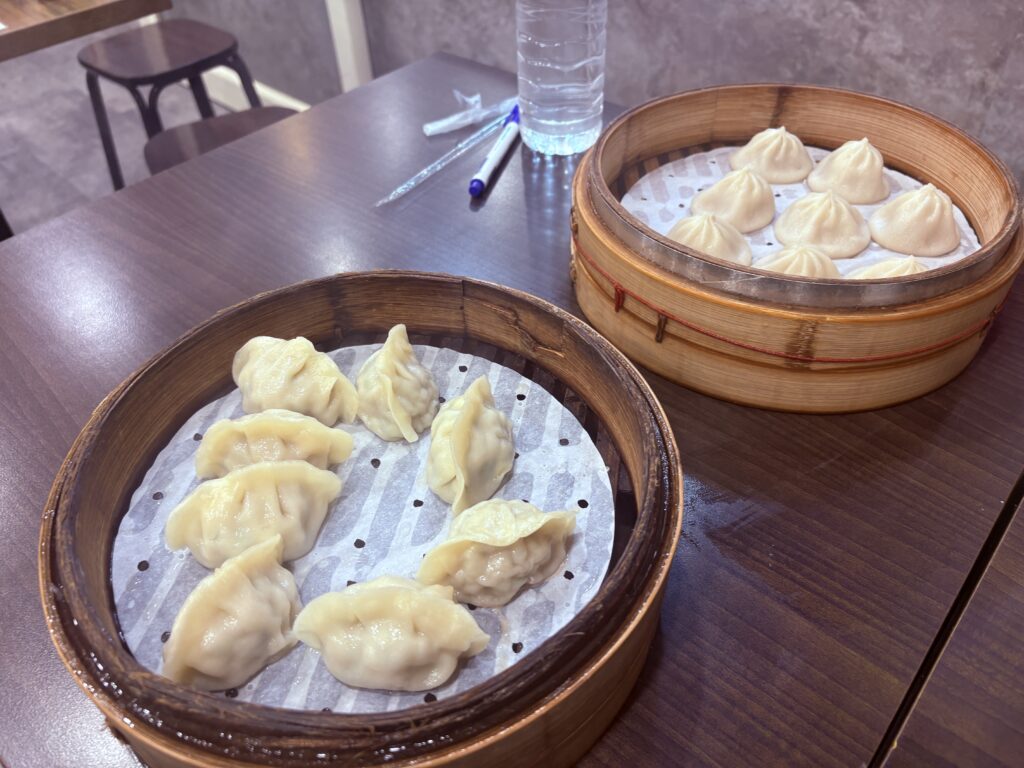
We grabbed dinner next to our hotel, in a place called 湯包樂. Be aware that in Taiwan, many places only have a name in Chinese, which is totally reasonable, but you may need Internet to help you with it. Anyhow, this place was cool. The two guys in the entrance and store owners were preparing different types of dumplings. The place itself was quite small, and the food was good.
Practical tips
Cash or card?
Forget that cards exist. I don’t know if it’s because of the fees or because of the political situation with China, but cards are very rarely accepted in Taiwan. They did have some of their local apps to pay, but I’m not familiar with them. To make your life easy, just exchange enough cash or take it out of the ATM. Even things where you think a card should work (like the train from the airport) won’t have a card system, so yeah, be prepared.
The currency in Taiwan is the New Taiwan Dollar or NTD. Here, Wise (wise.com) card was a bit of a savoor. While I couldn’t exchange to NTD on the app (not that it matter, since cards are not accepted), I could get cash without extra fees from an ATM, which was extremely useful in Taiwan.
Can I get myself understood in English?
Mostly yes. There’s quite some people who’ll speak English. Otherwise, many will kindly use an app to translate with their phones to pass the message, which I found pretty cool. In any case, we had no issues with communicating when we had to.
Connectivity
If you don’t speak Chinese, I highly recommend you getting a SIM card. Google Translate and company will be your best friends! I’ve been using maya.net for my eSIM travel, and I’m really happy with it! It has reasonable prices, it’s easy to use and top up if needed, and woks really well overall.
Public transport
Public transport is pretty good in Taiwan. There’s two options to pay for transport. You can have a transport card, which you can load with money, or you can buy a single pass ticket. The single pass ticket is a tocken that you’ll have to keep until you exit the train, when the tocken will be requested again. You can purchase your tickets once you have cash on you. Technically, you can use a credit card to load your transport card in some machines, but just have cash on you.
Trains get pretty crowded, so just have patience. There’s lines to enter the train, similarly to Japan, which facilitate people traffic. Taiwan was much more crowded than Singapore, which did stress me a bit as I’ve been living in less crowded places for quite a few years now.
Public transport from and to the airport
Taking the train to reach the city center is the easiest way to reach the city from the airport. There’s the special train Taoyuan Airport MRT leaving the station that will reach Taipei Main Station, where you can change to your final destination. You’ll see that there’s two types of train, the commuter and the express. The price is the same, so just take the express because it’s faster (38 min vs 50 min). The price per trip is NT$160, payable in cash.
Need more inspiration?
One week in Latvia and Lithuania in winter
Exploring Latvia and Lithuania in Winter: A One-Week Itinerary Visiting Latvia and Lithuania in winter…
1 week in Siberia
1 week in Siberia: Novosibirsk and the Altai Republic Politics aside, Russia is a diverse…
4 Days in the Alsace region
4 Days in the Alsace region from Switzerland: Strasbourg & small towns Strasbourg and the…
All you need to visit the Batu Cave
All you need to visit the Batu Cave in 2025 Batu Caves remains one of…
A weekend in Penang
A weekend in Penang Penang is one of Malaysia’s most vibrant destinations, known for its…
A weekend in Taiwan
2 Days in Taiwan: The Perfect Weekend Itinerary I did Taiwan as part of my…