9 Days in Thailand: November Itinerary [2019]
Thailand is a popular destination for a reason, with its ancient temples, bustling cities, beautiful landscapes, and delicious food. I spent nine days exploring the country, visiting some of its most famous sights and experiencing what travelling around Thailand was really like. In this post, I’m sharing our itinerary, the places we visited, and some practical tips to help you plan your own trip to Thailand.
Itinerary
Day 1 – Arrival to Bangkok and Temples
After doing all immigration processes and checking in, it was already passed lunch time. Still, we had some time to see the main temples in Bangkok.
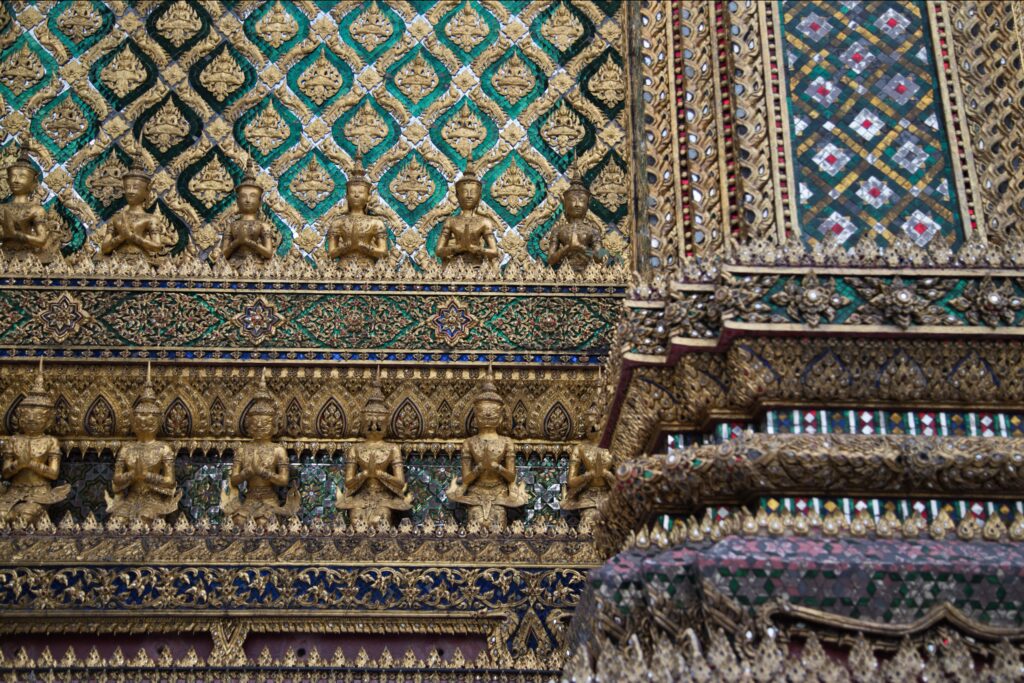
Wat Phra Kaew – Temple of the Emerald Buddha
Wat Phra Kaew is the most sacred Buddhist temple, since it contains the Emerald Buddha statue. The temple was built in 1782 and is part of the Grand Palace. Multiple royal ceremonies take place in this temple. As it’s usual in many temples, photography is only allowed outside of the building.
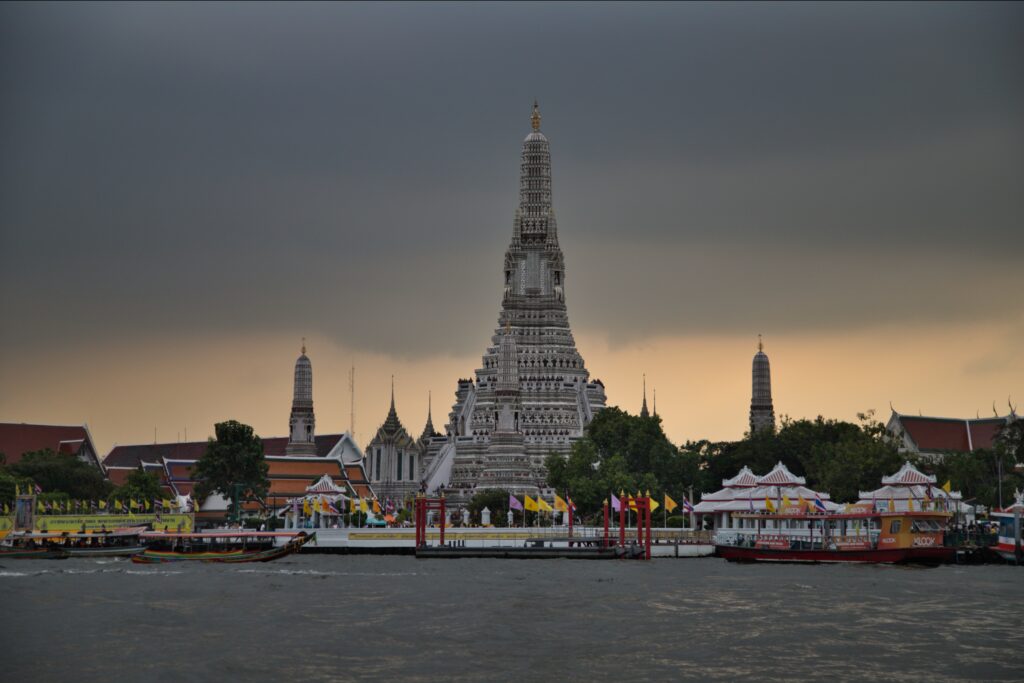
Wat Arun
This temple is located to the side of the river and has a beautiful decoration of white walls with patterns painted on them. This temple is beautiful to visit and also to see from the other side of the river, especially at sunset.
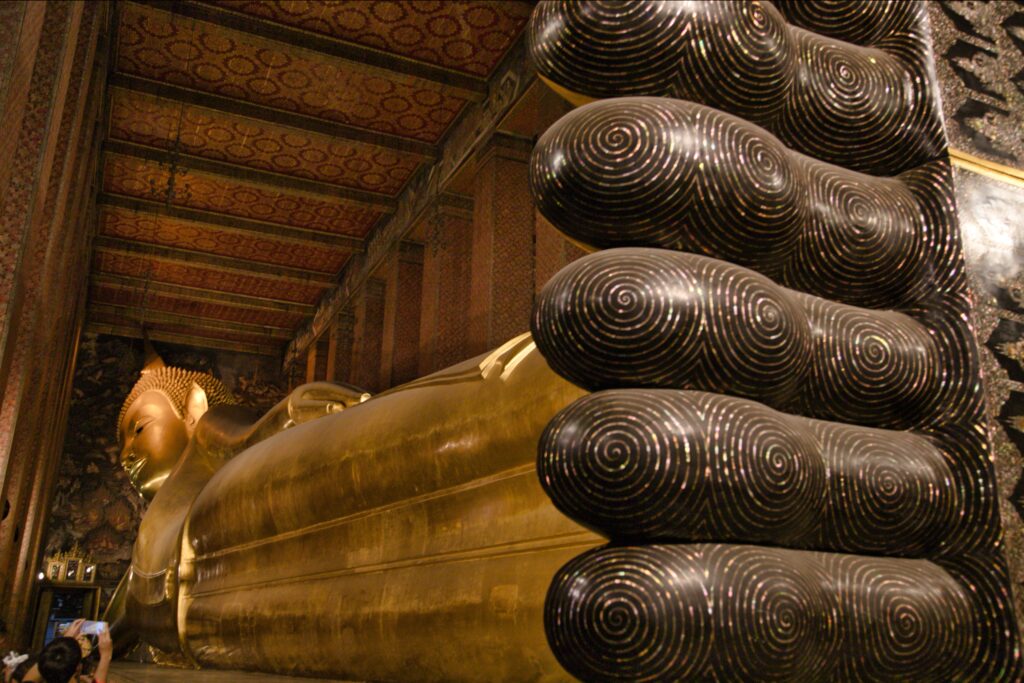
Wat Pho – Temple of the Reclining Buddha
This temple was more impressive than I thought it would be. The highlight is the giantic sculpture of a reclining Buddha. Because we came almost at closing time, we didn’t have much time to explore the rest of the temple, but the terrain is quite large, so there’s certainly several interesting parts to see.
Day 2 – Visit Ayutthaya
Ayutthaya is a historic city founded around 1350. It used to be the second capital of Siam, one of the most important cities in the world, until it was destroyed in the 18th century by the Burmese army. Now, one can visit the many temples and archeological sites left of this UNESCO World Heritage Site.
Due to its short distance from Bangkok, it’s a great day trip, which can be done by taking the train (50 min to 2 h ride). While tickets can be purchased in the station, I recommend buying them in advance to be able to purchase 1st or 2nd classes. We bought them at the station and ended up in third class, which was extremely crowded and with poor ventilation. Given that the return train run late, we ended up standing for a very long time in the train, which was exhausting.
Once we arrived to Ayutthaya, we rented a bike to be able to move around the city. I think that it’s one of the best ways to explore it. The parks containing the ruins are located about 10-20 min away from the station by bike. The ride until the park was not the most pleasant, as the traffic was intense, but once we reached our destination, it was a beautiful ride.
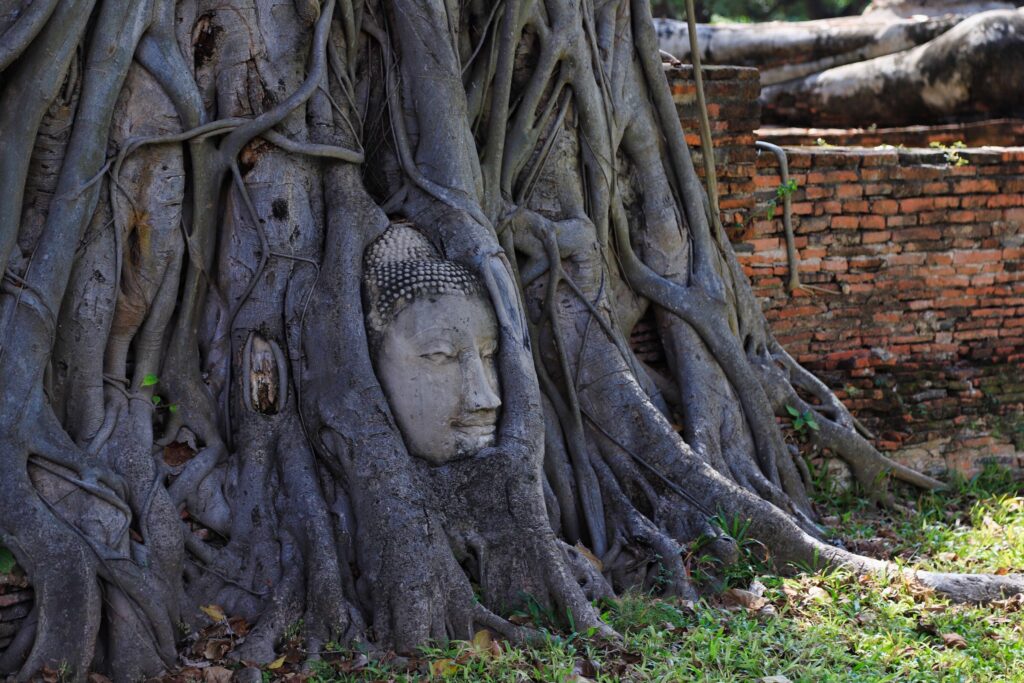
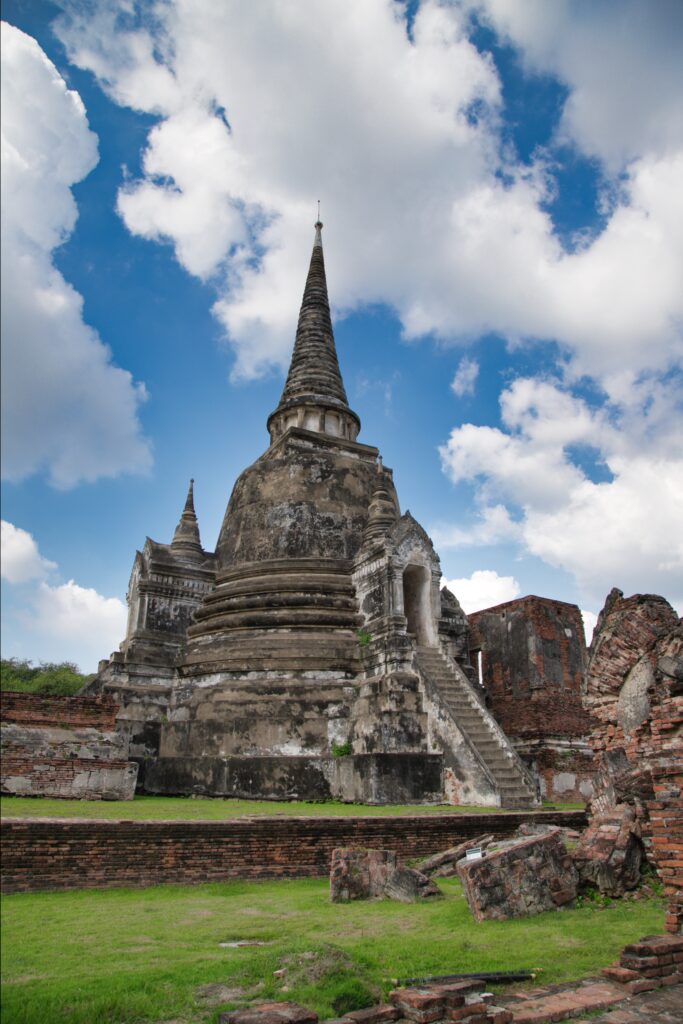
There’s a lot of different temples and ruins, and it’s easy to lose track of all the things to explore. Because the space is so large, it didn’t feel crowded at any point, and in some temples we were by ourselves, despite the trains running full. One of the most popular places is Wat Mahathat, where you can see the famous head of Buddha surrounded by tree roots. Nearby, there is the Wat Ratchaburana, which was not very well preserved. My favourite was Wat Phra Si Sanphet, where one could see three stupas in perfect preservation state. Before leaving, we also had a look to Wat Chaiwatthanaram, which is a massive temple complex. Getting there close to sunset gives it a very special lighting.
Day 3 – Fly to Chiang Mai
Unfortunately, we had some issues with transport and couldn’t fly on our expected flight, so we spent the day figuring that out instead, and only could fly in the afternoon. When we reached Chiang Mai it was already dark, so we had to skip the Elephant Sancrtuary. Something left to do for next time!
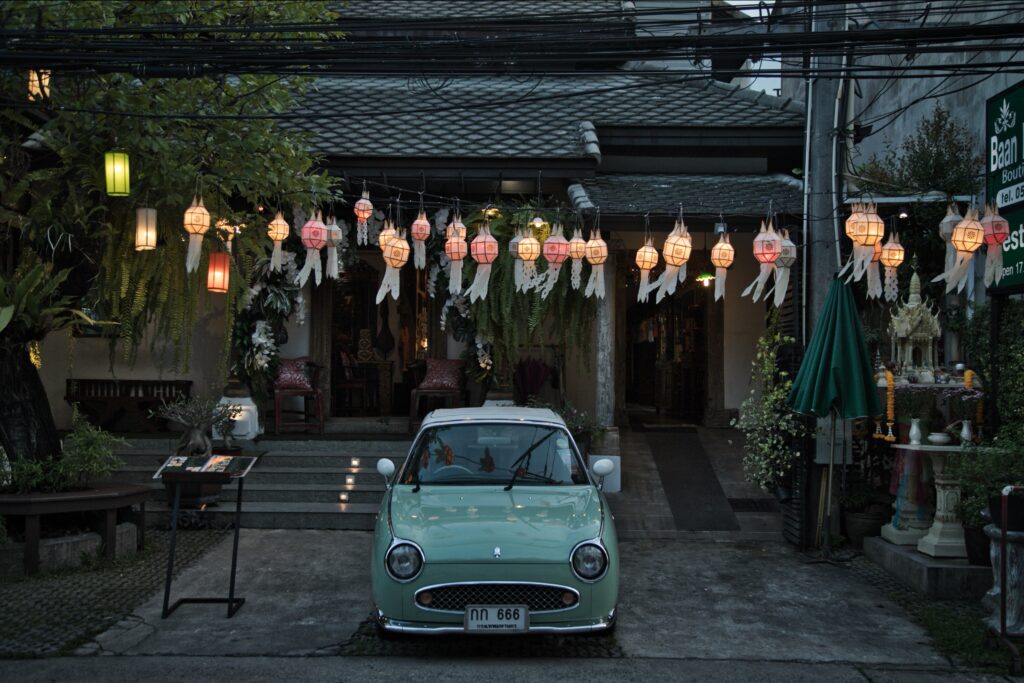
Instead, we visited the city center for a bit, which turned out to be great. There were not many people walking around any longer and the city was very cute, with many temples and just nice streets to see. We also explored the Wat Chedi Luang from the outside. It’s a temple from the 14th century located in the historic center of the city. While at night it’s obviously closed, it is nicely illuminated.
Day 4 – Explore the temples of Chiang Rai
Instead of organising this visit by ourselves, we decided to hire a guide. In the website TakeMeTour, we found a tour offered by SakonKiKi Ja. It is possible to make this trip by public transport, but we had only few days, and didn’t want to drive in Thailand, so were actually happy to have someone showing us around. SakonKiKi Ja picked us up from our hotel, and we drove to our first destination, Wat Saeng Kaew Phothiyan.
Wat Saeng Kaew Phothiyan
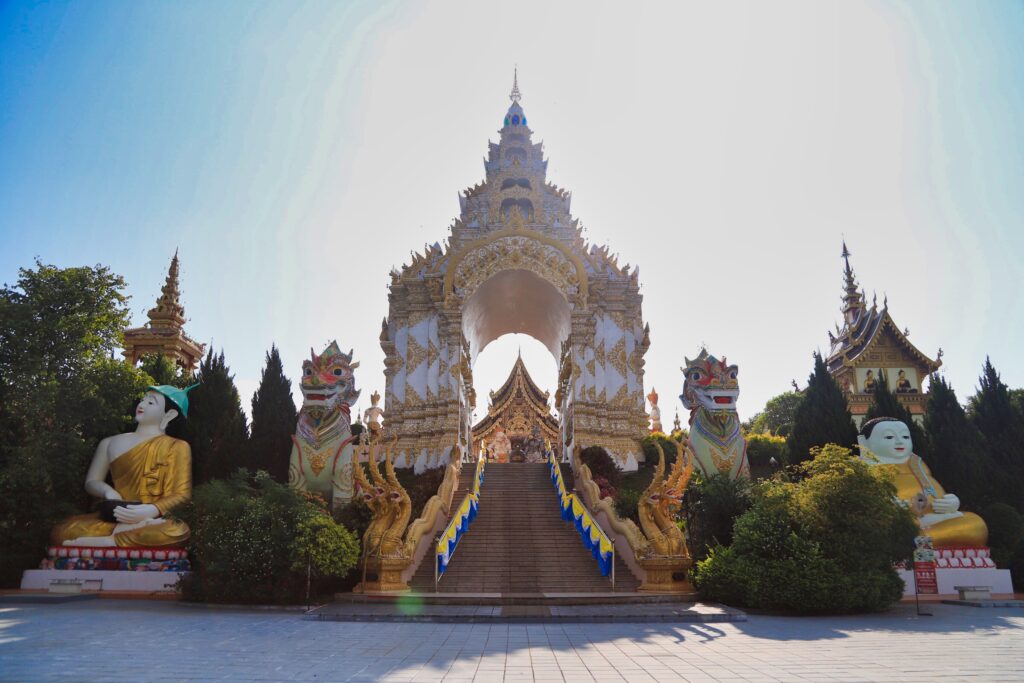
This temple is located on the way between Chiang Mai and Chiang Rai, and it was a spectacular start. When we visited, it was still quite new and not very well known, so we were almost alone during the our whole time there.
The temple is dedicated to the monk Kruba Srivichai, and was founded the year 2006. I found it amusing that some of the sculptures had a smartphone. I love this integration of traditional art with modern elements. In the temple, there were also many statues of monks. In one of the halls, there were a few dozens monks sitting. For a moment I thought they were real people until I realised it was wax sculptures.
Overall, this was a bit of a hidden gem. A monumental temple, with little crowds and beautiful decorations. It’s open from 7:00 to 18:00 and had no entrance fee when we visited.
Wat Rong Khun or White Temple
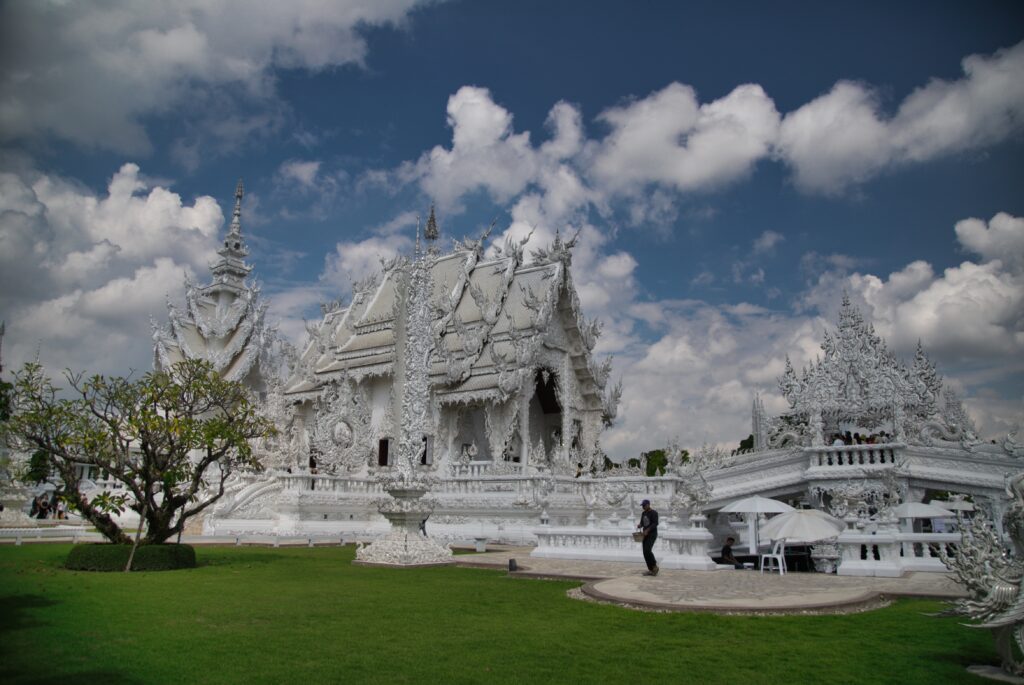
This outstanding temple was created by Chalermchai Kositpipat. More precisely, he renovated an old temple with his own money, creating this masterpiece. The outside of this building is absolutely stunning. Inside, you’re not allowed to take photos, but the decorations were quite fun, and I can understand that traditionalists may have not liked them, as there were references to pop culture. The temple is very famous, so obviously it was very crowded. Nonetheless, it’s very worth the visit – the white color of the outside reflects the light of the Thai sun, giving the temple an otherwordy shine. It’s one of those places that look better in person than in the pictures.
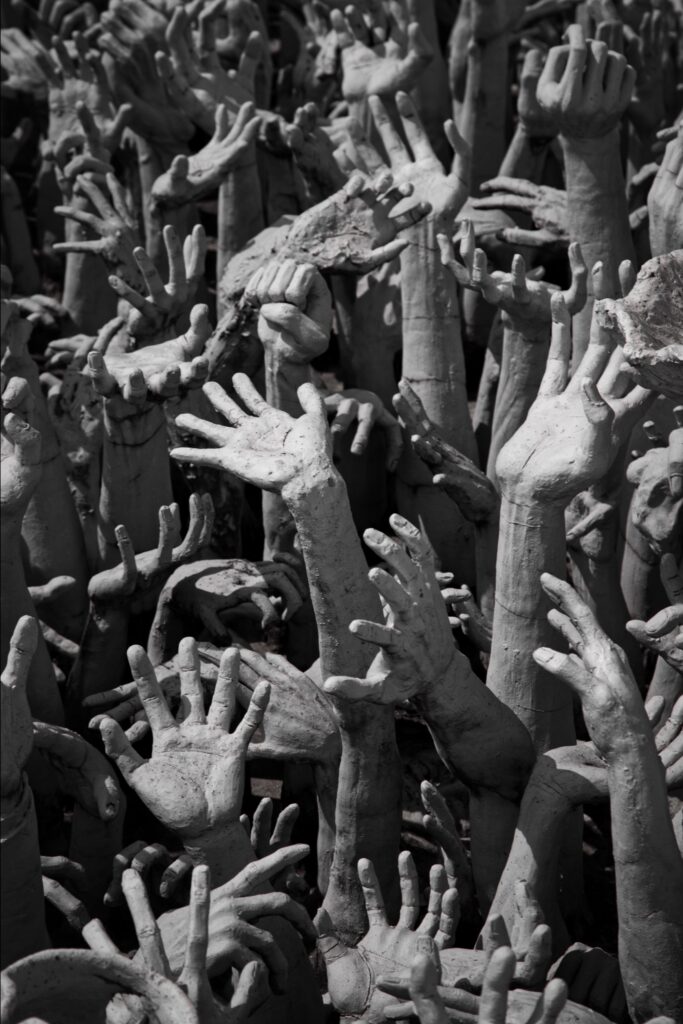
To enter the temple itself, one must go through a bridge, and on the sides, you can see hands trying to reach up. That’s hell, our guide told us. Again, some of the hands held a smartphone. Smartphones seem to have quite some relevance in modern Thai Buddhist Art. Apart form the main temple, there are quite a few structures and decorations around the park that contains the temple.
Wat Rong Suea Ten or Blue Temple
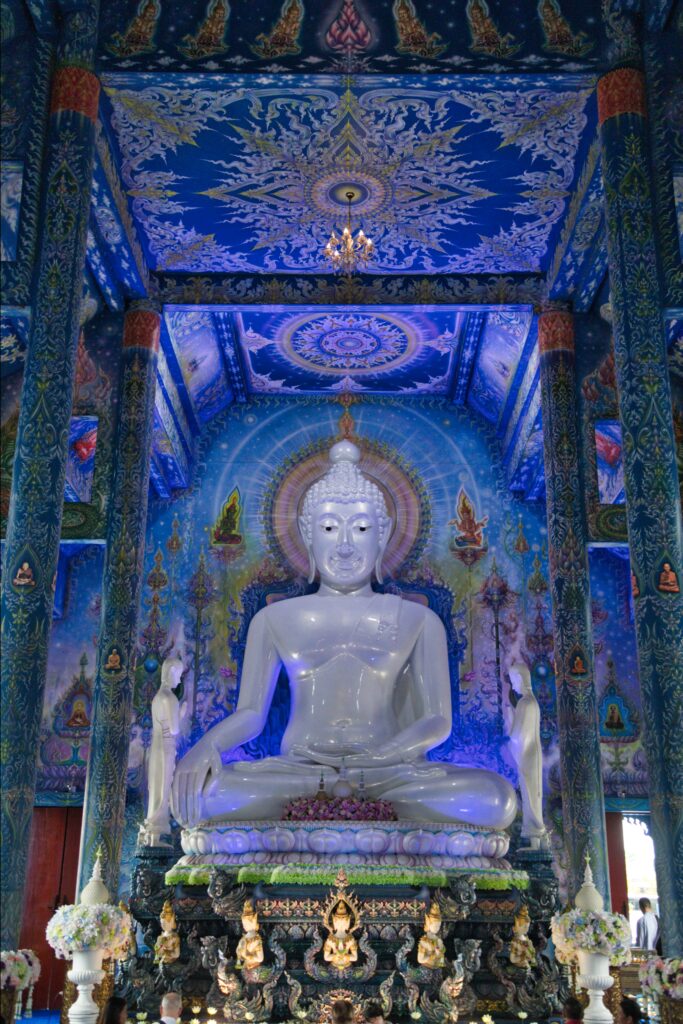
This temple was created by one of Chalermchai Kositpipat’s students, Salanok. As the name indicates, it’s blue. As in, everything about this temple is in blue. The construction of this temple started in 2005, and the main building was completed 11 years later, in 2016. One of the highlights of the Blue Temple is the porcelain statue of Buddha located in the main hall. The temple is open from 7:00 to 20:00.
The Black House or Bandaam Museum
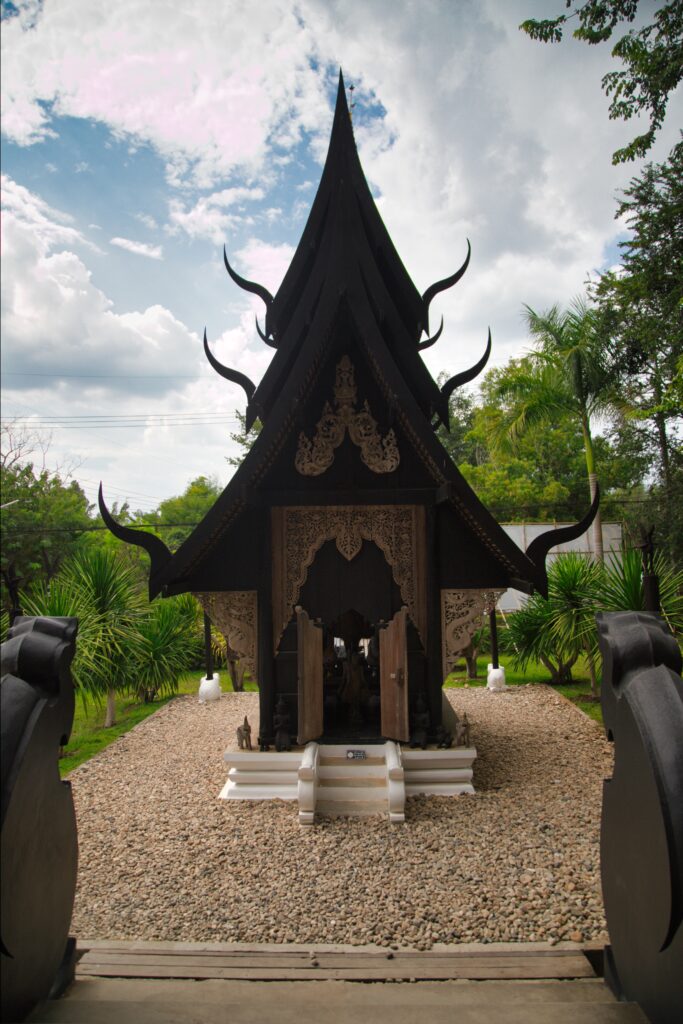
The final point of the tours in Chiang Rai, the Bandaam Museum. It is a museum, not a temple, as our guide kept repeating after I’d accidentally misname it. The museum is quite unusual and thus very interesting to visit. It is located on a large park, with some small dark houses spattered across the garden. In addition, there are bones, horns, wooden structures, and sculptures and other pieces of art all around. The museum contains works of art of Thawan Duchanee, a famous Thai artist specialized in religious and dark arts.
Overall, the museum has some creepy vibes, but that’s what is making it interesting. It is open from 9:00 to 17:00, and is very well-worth a visit.
Day 5 -Visit Chiang Mai
Back to Chiang Mai, we still had some places to visit before our flight to Phuket. To go through the temples, we hired a tuktuk for the day, which was in itself a very fun experience. Actually, the visit of one of the temples was a suggestion from our driver, and it was really nice to do.
Wat Phra That Doi Suthep
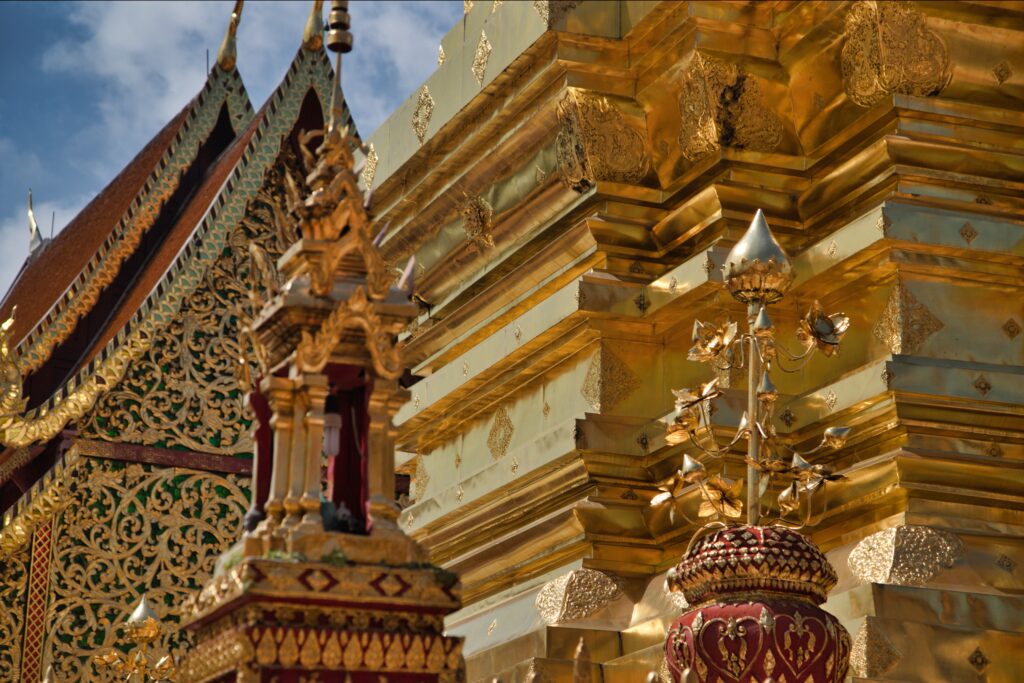
This is probably one of the most famous temples in Chiang Mai and is very well-worth a visit. Due to its popularity, it was already very crowded when we arrived in the morning. The temple was founded in 1383 on top of a hill. Thus, to reach the temple one needs to go up some stairs. The main area of the temple is gold plated, which is absolutely stunning to see. There’s also some beautiful views of the city of Chiang Mai from the top. The temple opens from 5:00 to 21:00.
Wat Pha Lad
This temple was founded by King Kuena of Lanna in the 14th century. It’s a really cool temple in the forest and I loved seeing the sculptures of the temple partially covered with plants. The overgrown vegetation gave it abandoned vibes, and while the temple itself has been reconstructed, it was cool to explore a temple hidden in the jungle. In addition, this temple was not one of the most popular ones, so it was not too crowded. At some point, we wanted to visit some waterfall that we heard was nearby, but got lost on the way and had to return to the temple to find our tuktuk driver.
In the evening, we flew to Phuket. We arrived when it was already night. I can’t say I liked Pukhet – it was a very party place focused on tourists, and I usually don’t enjoy those. After a short walk, we headed to sleep to be ready for the early morning departure to Phang Nga.
Day 6 – Kayak in Phang Nga
For the first day, we had booked a kayaking trip with John Gray Sea Canoe. We were picked up at our hotel in the late morning, and were driven to the departure point. When we arrived, we were informed that we were going to travel on a big boat and a local guide would be driving us on a kayak. Initially, I was a bit disappointed. I was expecting that we’d be getting our own kayak and to just drive behind a guide, as I did in my previous kayaking experiences. I could hear we were not the only ones who had different expectations. However, in the end, the tour turned out to be really cool.
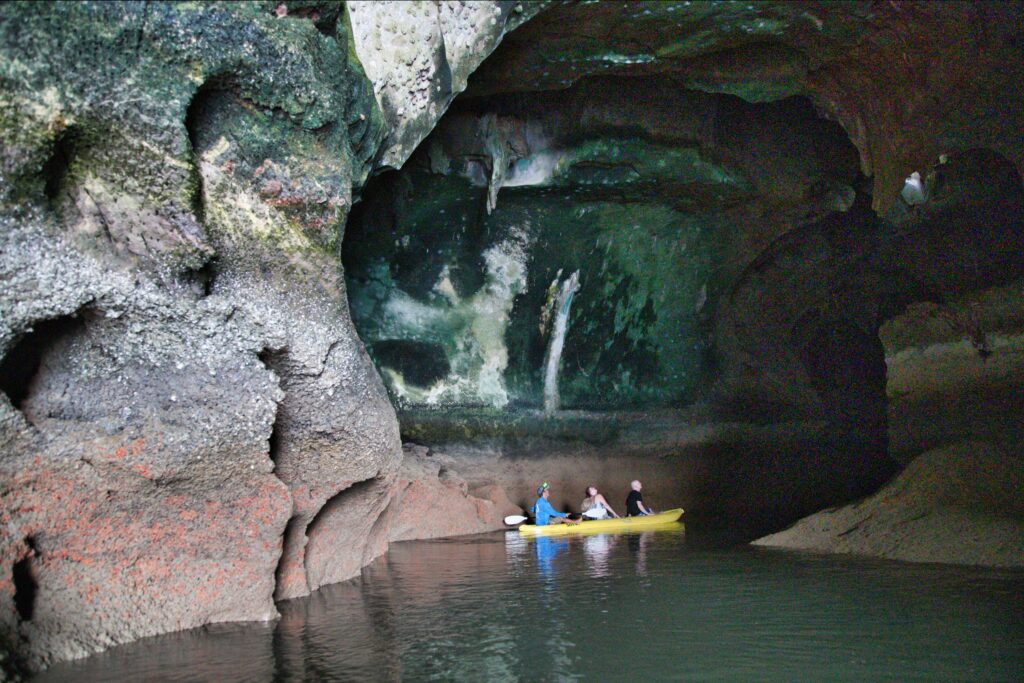
With the large ship, we drove towards our destination point in Phang Nga, where we would be kayaking. We were all assigned our personal guide, who would be driving us with the canoe. In the afternoon, we did a first tour, in which our guide drove us through caves and near the tall rocks so characteristic from this area, while pointing to animals on the surface, like monkeys, or snakes.
Then, we went to have dinner on the boat, and in the meantime, the guides prepared us a really beautiful floating device, which represented flowers and birds. We would then put it in the water to float away once it got dark. The coolest part of the trip was the end. We took the canoe again once it was dark, and just navigated through bioluminscent plankton. It was amazing to see these small organisms creating sparks of light when we introduced our hands into the water. Absolutely a magic experience.
Day 7 – Snorkel in the Surin Islands
For our second day in South Thailand, we had booked a day trip to visit the Surin Islands with a speed boat. The sea was quite rough in the morning, so several people in the boat got seasick. Fortunately, the trip only lasted one hour, as we were traveling with the speed boat, else it would have been much longer. Once we arrived to the islands, however, the weather was so much better. We first had a snorkeling stop and then visited a big island, where locals, with their faces painted tribally, were selling local souvenirs.
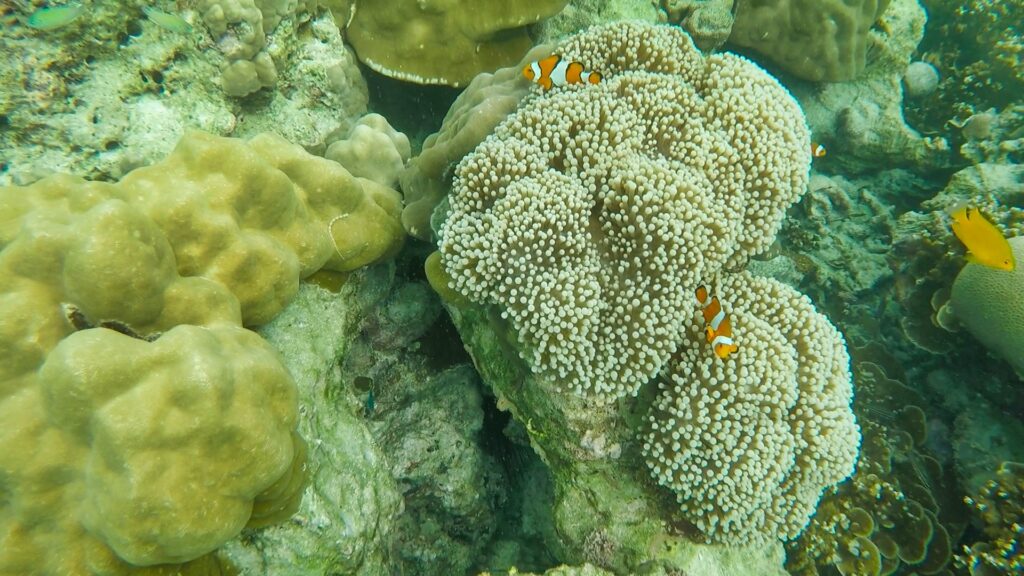
After the cultural stop, we sat on the boat again to drive to another snorkeling site. The views were amazing! We saw plenty fo anemonas with clown fish, large seastars, and colorful fishes. The coral reef was busting with life and it was amazing to see. To be honest, this was my first time seeing a coral reef, so I didn’t have any comparison point on how bleached or not the coral was. There were quite some fishes, so my assumption is that it was healthy enough.
Day 8 – Visit Bangkok
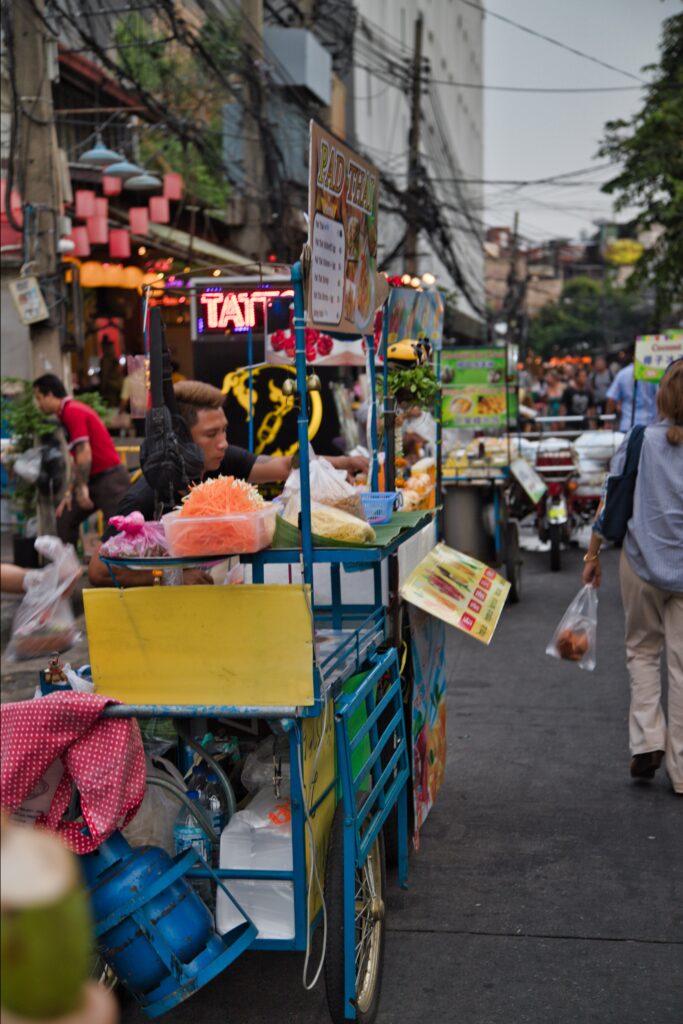
In the morning, we flew back to Bangkok, to prepare for our departure. Our first visit to the city, we stayed in a hotel nearby the main temples in Bangkok, and for the second time, we also took a place that seemed nearby, only 30 min walking away. However, the vibes were totally different. Our second hotel, the Chillax Resort Khaosan, was located in a very lively area, and we spent the afternoon exploring local street food vendors, stores, and Thai massage places. It was a relaxing day without many touristic activities, but we enjoyed the vibes of the city.
Day 9 – Back home
In the morning, we took advantage of the swimming pool in the hotel, which was located in the top floor and had great views of Bangkok city. It was definetly not so nice to get inside of the pool, as it was rather chilly, but going when there’s no one is really an experience.
Trip highlights
Despite its popularity, Thailand had not been on my radar for the longest time. Now that I’ve visited it, I can totally understand the hype.
- Ayutthaya: It was my first experience visiting temples with a bike. Super cool, can only recommend.
- White Temple: It was crowded but it’s also magnificent. The white color of the temple really makes it shine.
- Bandaam Museum: I liked this kind of art, so I found this museum very amusing.
- Phang Nga: I think in this case it was more the experience than the place. There’s plenty of beautiful coastal areas in Thailand. What made this one special was the personalized attention we were getting, and being guided through kayaking trips, art creation, and bioluminiscent algae.
Practical tips
Taxi and public bus
Before coming, we were told to never accept the ride with a taxi if they were not putting a taximeter. What we didn’t realise at that time was that many taxis would refuse service if we refused their fixed (and pretty abusive) prices. Several times we opted out to just take public transportation instead of a faster and more convenient taxi because of feeling like we were being scammed. From all the times we tried, only once did a taxi driver agreed to use the meter. Honestly, quite frustrating.
The bus experience on the other hand, was much better. We bought the ticket at the bus from a person sitting there and selling the tickets (with cash). Once there, they were really kind and also let us know when our stop was coming.
Respect the King and Buddha
Something quite shocking about Thailand is that everywhere you’re going, you will see images of the King and his family. It is good to know that insulting, disrespecting, or threatening the King and his family is illegal, and penalties in Thailand might differ from what one would expect in Europe. Anyhow, it’s always a good practice to respect the culture of the place where you’re the guest.
Interestingly, when waiting for the train in Ayutthaya, a hymn started playing. This prompted all the locals to stand up for the duration of the hymn. While some people standed solemn, many youngters were looking at their phones during the whole ordeal. I wasn’t sure if the rule of standing up applied to tourists as well, so I also stood up. In these cases it’s better to be on the safe side.
In Thailand, also Buddha deserves reference. An important point of etiquette when photographing Buddha images in Thailand is to avoid poses that could be considered disrespectful. At some sites, visitors are specifically asked to keep their heads below the Buddha image when taking photographs, like in Ayutthaya, where the Buddha head emerged from the tree roots. There, an employee making sure that everyone complied with this rule.
Want to keep exploring?